When stem mixing applies
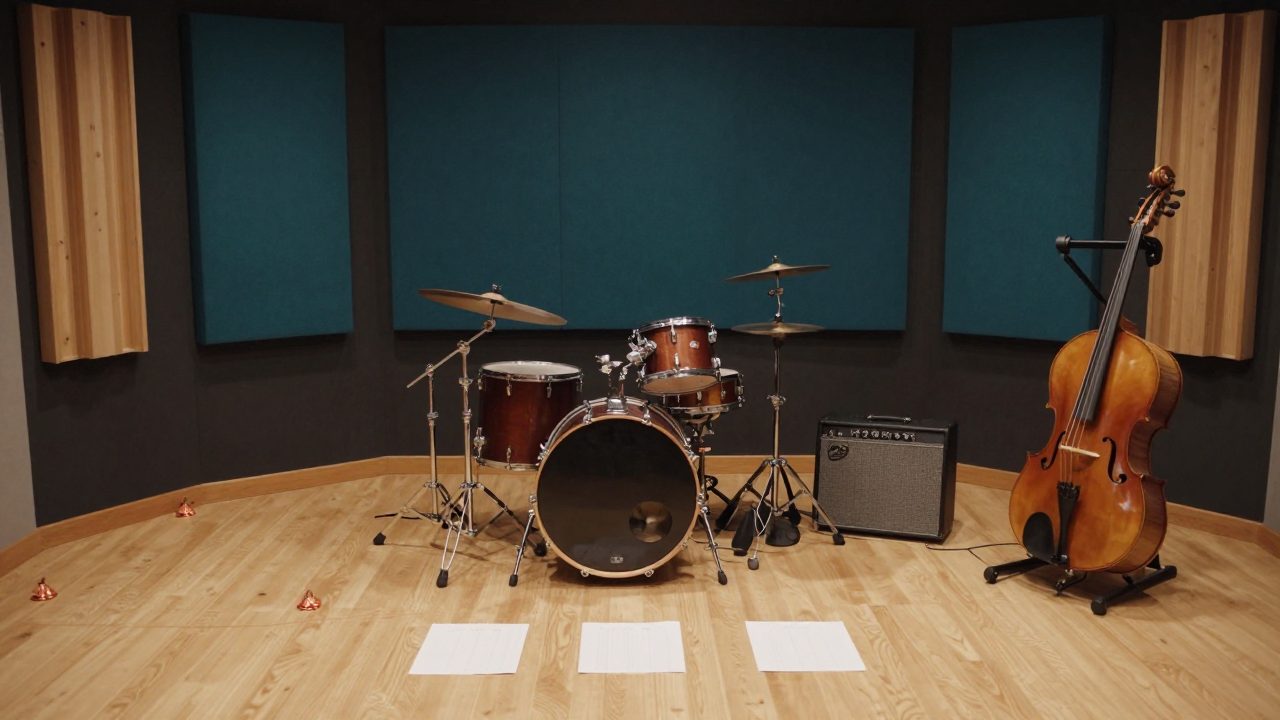
Stems are separate audio files per instrument or group (drums bus, bass DI, guitars L/R, lead vocal, etc.). You deliver them after tracking at home, another studio, or exporting from Pro Tools, Logic, Ableton Live or Reaper.
Recorded at Murkiernode? Ask us for exports instead of guessing offsets. If you only have a stereo bounce, the mix per track rate (€245) usually fits better than pretending a two-track is stem material.
Technical baseline we expect
Send uncompressed WAV or AIFF, preferably 24-bit, at 44.1 kHz or 48 kHz — pick one rate for the whole project. Avoid MP3 or AAC sources unless we agree on the limits upfront.
Every stem must share the same length and start point: from bar 1 beat 1 through tails and reverbs. Export from one session template; misaligned files burn sync time.
Leave headroom: peaks around −6 dBFS to −3 dBFS are typical. No limiter on individual stems unless it is intentional and noted.
Naming and folder layout
Use clear names: SongTitle_Drums.wav, SongTitle_BassDI.wav, SongTitle_VoxLead.wav. Avoid spaces where you can; underscores are fine. One folder per song with stems plus a text file for tempo, key and references.
- One folder per title
- No duplicate names like (2) or “final_final”
- Mark mono or stereo in the filename
- Note printed effects (e.g. guitar with delay committed)
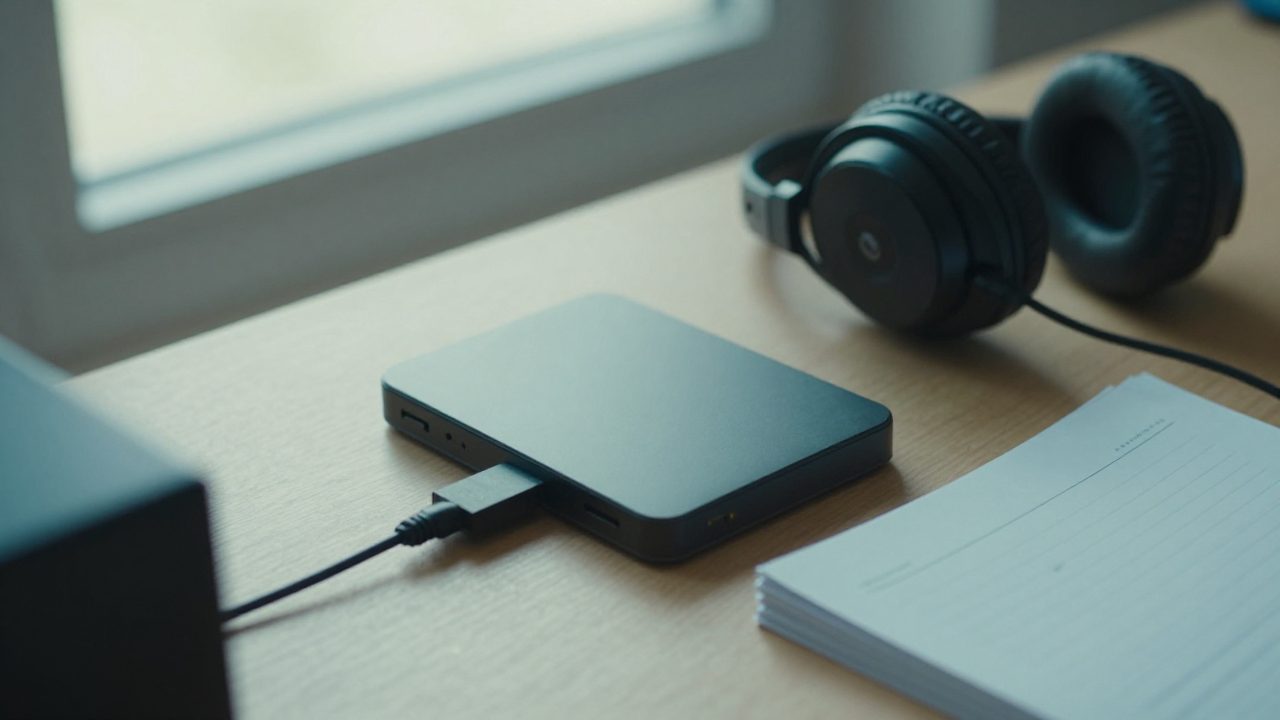
Upload via the link we send through contact, or bring an SSD to Van Boetzelaerstraat 35. Spot-check playback before shipping.
Vocals, tuning and editing
If you expect tuning or timing edits, say so upfront — standard stem mixing assumes reasonably edited material. Deliver comped lead vocals as one stem plus optional doubles.
Keep ad-libs and backing vocals separate for easier balancing. For speech projects, consider podcast and voice-over if you prefer recording in our booth instead of supplying stems.
Noise and room in the source stays audible after mixing; re-tracking via vocal recording beats heavy restoration.
References and communication
Send one or two reference tracks (streaming links are fine) with notes on what you want: bass weight, vocal level, etc. References set expectations; they are not copy instructions.
Say if we will master later (from €75 per track). We then mix with mastering headroom — typically −3 to −6 dBFS on the mix bus without a limiter.
We reply to requests within 2 business days. Clear sample clearance before mixing; see disclaimer.
Revisions and archive
Mix pricing includes 2 revision rounds: bundle notes in one email with timestamps (“ref 1:30 bass down”). Scattered messages eat rounds faster than grouped feedback.
We keep projects for 12 months, then files may go. Download mixes and stems in time; see privacy policy.
Extra revisions or stem swaps after delivery are quoted separately — clearer upfront than debating later.
Common mistakes
- Stems with different start times or sample rates.
- Full stereo mix bounce instead of separate tracks.
- Heavy limiting on drums or vocals leaving no room to move.
- Missing tempo/key — delays and tuning depend on them.
- Cloud-only delivery without a local backup during download.
Unsure about DAW export? Email a session screenshot via [email protected]; we will suggest bounce settings.
Next step
Checklist done? Book mixing via contact with track count and sample rate. After the mix, plan master formats for streaming and CD in your release calendar.
Tracking the band with us? Read band recording budget planning so mix and master sit in the overall budget.